
Imported Alcoholic Beverages: How to Plan Sales in Brazil
Practical guidance for foreign companies on Brazilian requirements, documents, operations and next steps related to Imported Alcoholic Beverages: How to Plan Sales in Brazil.
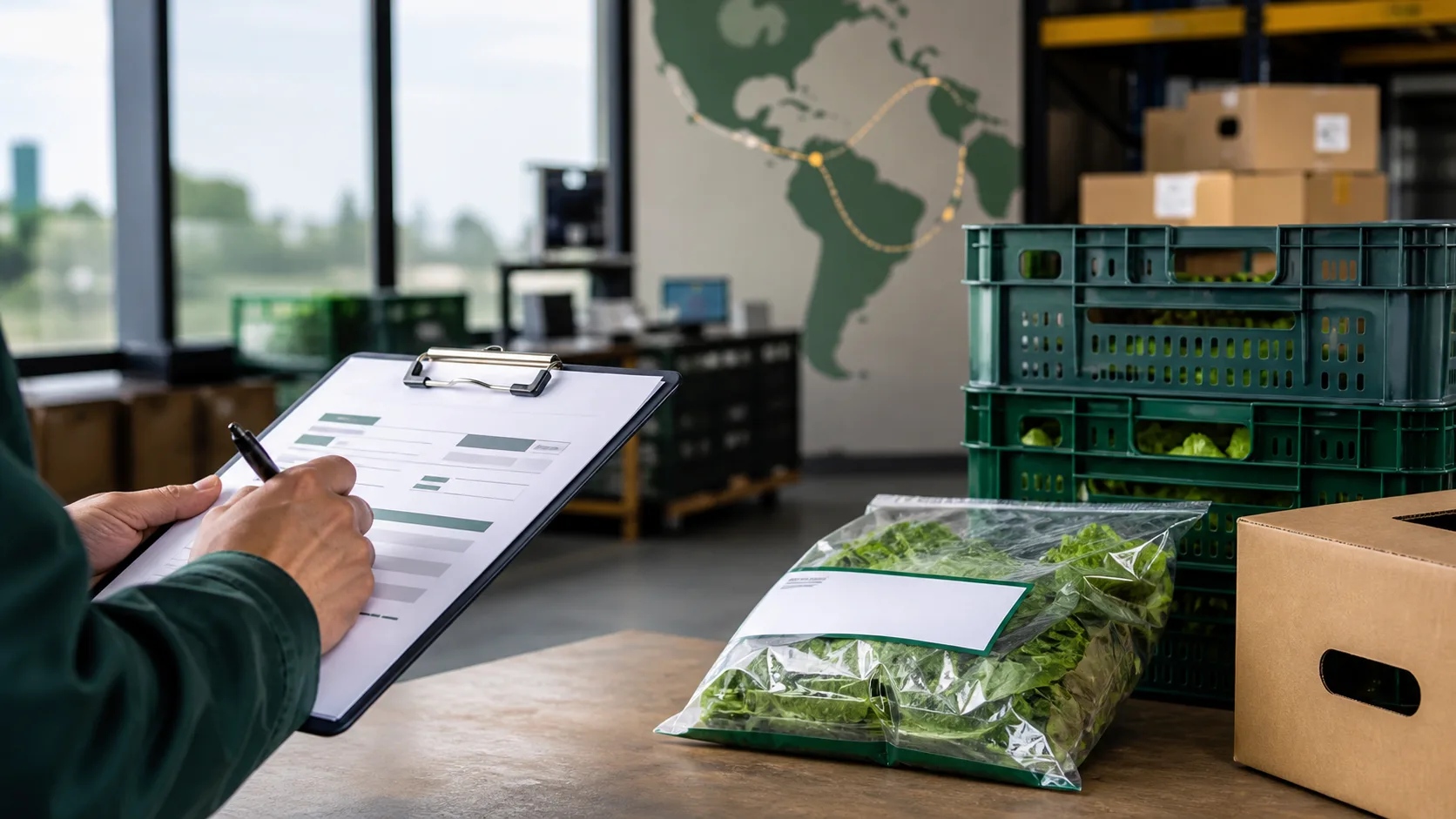
A foreign company evaluating Imported Alcoholic Beverages: How to Plan Sales in Brazil must do more than translate its offer. This guide addresses the Brazilian requirements, documents, operations and next steps related to this topic. Practical guidance for foreign companies on Brazilian requirements, documents, operations and next steps related to Imported Alcoholic Beverages: How to Plan Sales in Brazil. The decision should connect the product or service, Brazilian customer, payment flow, documentation and operational responsibility.
Map the Brazilian operating model
Start with the real operation behind Imported Alcoholic Beverages: How to Plan Sales in Brazil: classify the offer, identify the responsible parties, define where stock or service is located, and review the products & compliance implications. Confirm the customer promise, required documents, pricing assumptions and the evidence that will be available if a customer, partner or authority asks for clarification.
Connect compliance to the customer experience
Before launching or scaling Imported Alcoholic Beverages: How to Plan Sales in Brazil, connect contracts, checkout, tax treatment, support, returns, data and reconciliation. A focused review with professionals who understand Brazil and international operations helps the company choose a viable model and avoid rework after the first sales.
Read also: International Shipping to Brazil: Timing, Cost and Risks for Foreign Sellers.
Sources and references
- Receita Federal — Tributação de remessas internacionais
- Código de Defesa do Consumidor — Lei nº 8.078/1990
Brazilian and international business experience in one advisory view.
VMAHUB combines accounting, tax, legal and business strategy with more than 26 years of experience, including work connected to the pharmaceutical industry, retail and agribusiness. The next step is to understand how this scenario applies to your operation.